Quality, environmental and occupational health and safety requirements are closely connected during project delivery. Managing them as an integrated system helps teams apply one coherent set of responsibilities, controls and records from planning through closeout.
One operating framework
An integrated management system creates a common structure for risk assessment, competence, document control, operational planning, incident response, audits and continual improvement. It also helps prevent different project functions from working to conflicting assumptions.
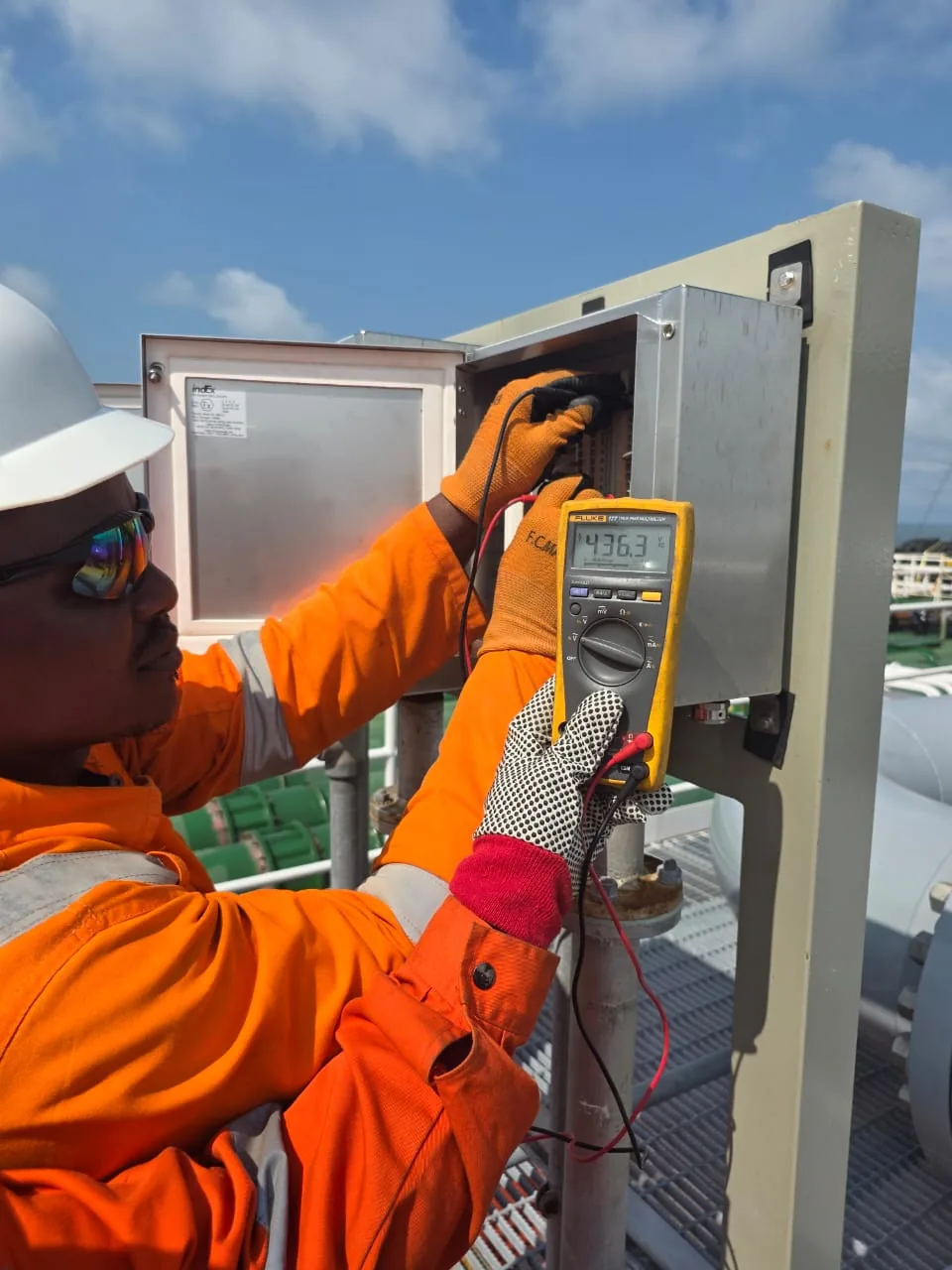
For field activities, this means that technical acceptance, environmental protection and personnel safety are considered together when work methods are prepared and approved.
Consistency across the project lifecycle
Effective management systems support repeatability by establishing clear expectations for:
- Reviewing client and statutory requirements.
- Identifying hazards, environmental aspects and quality risks.
- Assigning competent personnel and approved equipment.
- Controlling changes and communicating revised requirements.
- Inspecting work and retaining objective evidence.
- Investigating deviations and applying corrective actions.
Assurance through evidence
Policies and procedures provide direction, but assurance comes from implementation records. Audits, observations, inspections, toolbox discussions, calibration records and closeout documentation allow project leaders to evaluate whether controls are working as intended.
When these systems operate together, they strengthen decision-making and support safer, more responsible and more dependable delivery.