
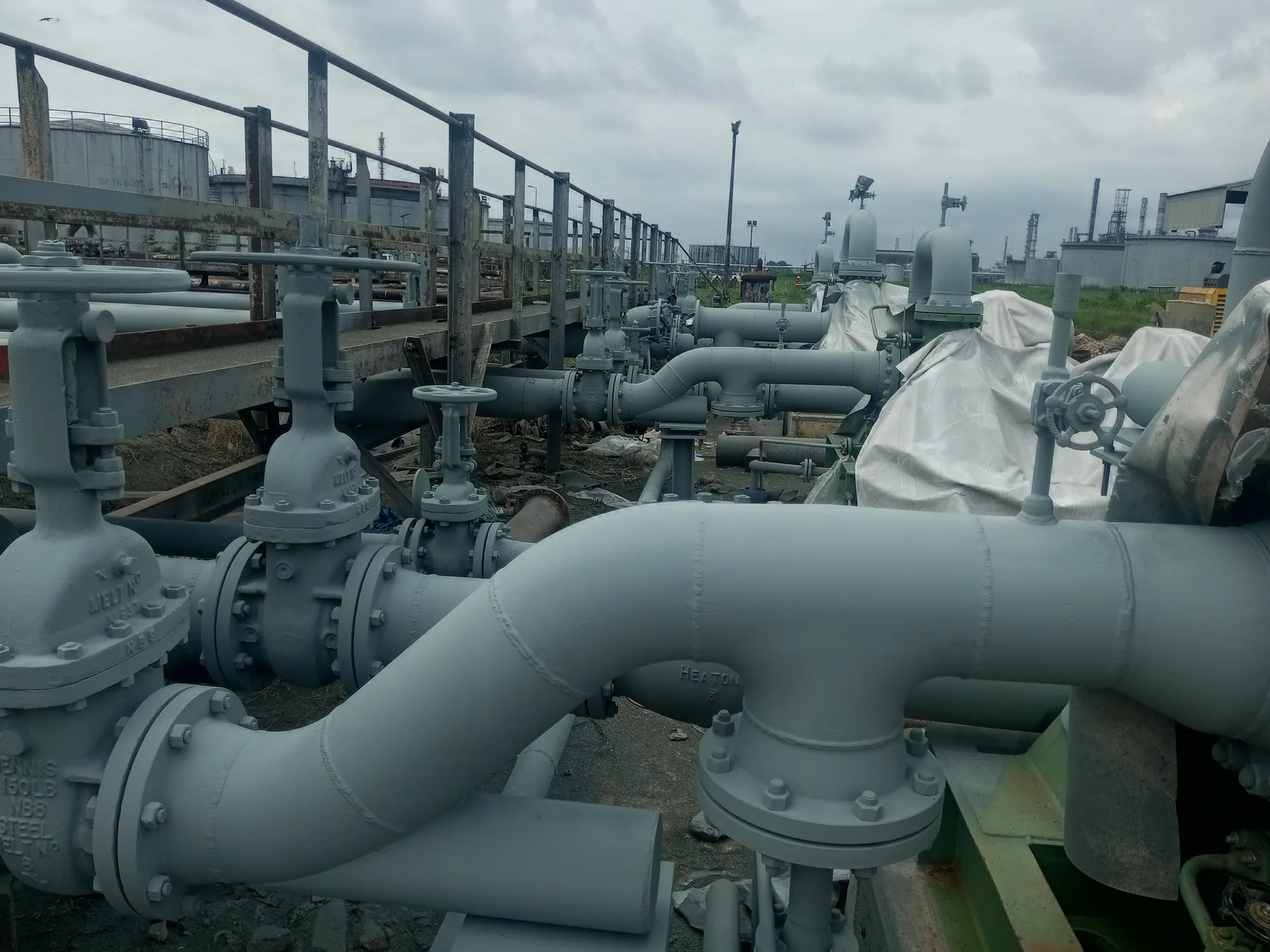
Successful field execution begins well before mobilisation. The quality of engineering definition and the discipline applied to project interfaces have a direct effect on constructability, procurement alignment and commissioning readiness.
Establish a controlled technical basis
The basis of design should translate operating requirements into coordinated technical decisions. Scope boundaries, design criteria, interfaces, existing-facility information and applicable standards must be recorded and reviewed by the relevant disciplines.
Where information is incomplete, assumptions should be visible and managed. Uncontrolled assumptions can move downstream into material orders, fabrication drawings and site instructions, where correction becomes more disruptive.
Protect the handoffs
Each project phase creates inputs for the next. Important handoffs include:
- Engineering specifications into supplier and procurement requirements.
- Approved drawings into fabrication and construction work packs.
- Inspection records into mechanical-completion dossiers.
- Completed systems into commissioning procedures and acceptance checks.
Document status, revision control and technical queries should remain visible throughout these transitions.
Connect field feedback to engineering
Site conditions may require clarification or controlled change. A clear process for field verification, technical queries, design updates and red-line records allows the engineering team to respond without losing traceability.
The result is a connected delivery process in which design intent, supplied equipment, installed work and final records remain aligned through project closeout.