
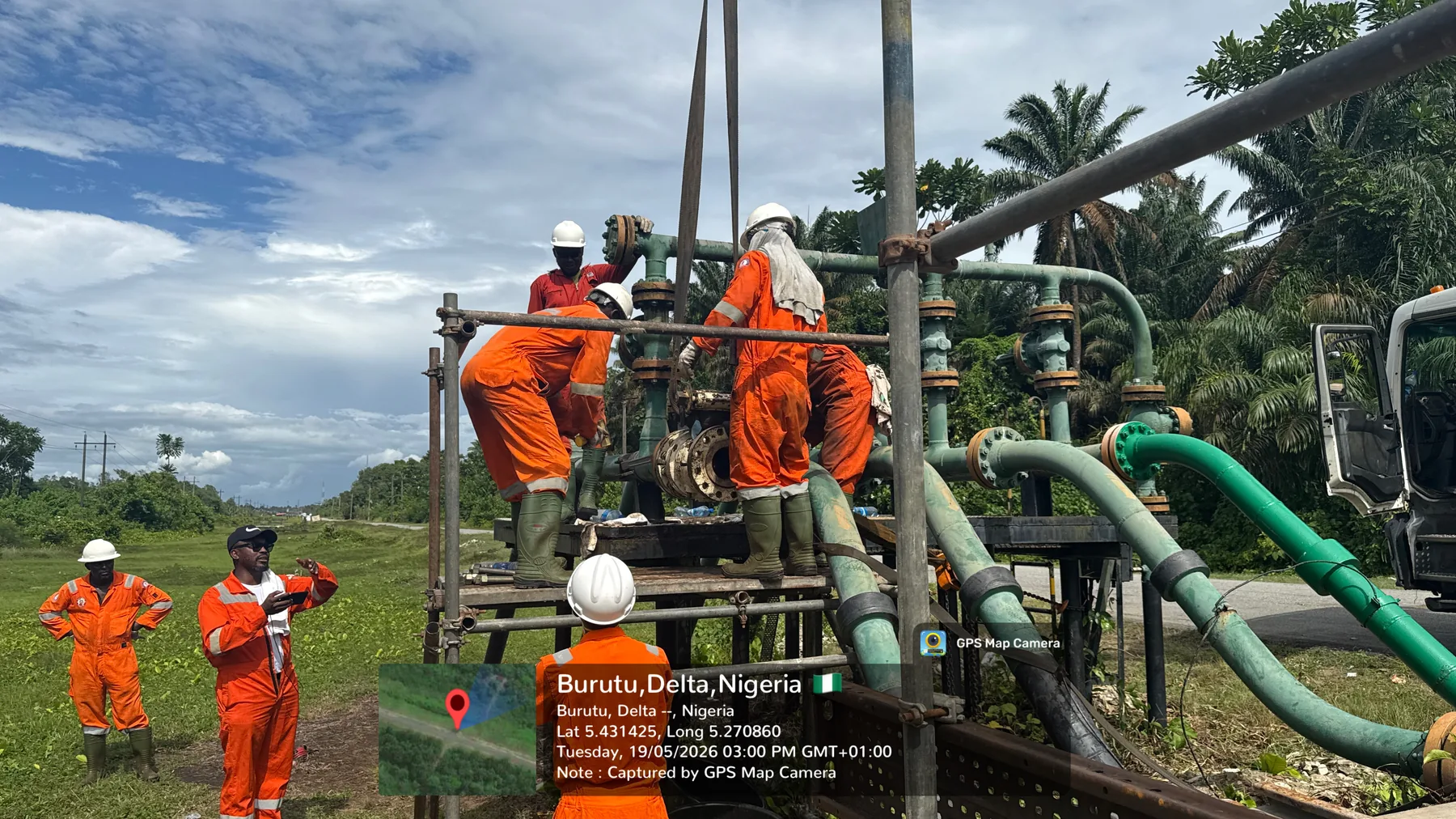
Pipeline pre-commissioning connects construction completion with safe operational readiness. A defensible plan defines not only the field activities, but also the evidence required to show that the line meets the agreed acceptance criteria.
Begin with the operating requirement
The execution method should reflect the pipeline’s diameter, length, product, elevation profile, materials, temporary facilities and intended operating condition. These inputs shape decisions about cleaning, gauging, hydrotesting, dewatering, drying and preservation.
Interfaces also need to be established early. Construction completion status, test limits, isolation points, water sources, discharge arrangements, environmental controls and reinstatement responsibilities should be clear before mobilisation.
Control each transition
A strong plan treats every transition as a hold point. Typical controls include:
- Confirming line readiness and the status of valves, vents, drains and temporary connections.
- Verifying the suitability and calibration of pumps, gauges, recorders and test instruments.
- Defining safe pressure limits, exclusion zones and communication protocols.
- Recording cleaning results, test charts, volumes, drying criteria and outstanding actions.
The acceptance criteria should be measurable and agreed before work begins. This allows the project team to make consistent decisions and prevents uncertainty at closeout.
Build the evidence as the work progresses
Pre-commissioning is complete only when the physical work and its records agree. Daily reports, calibration certificates, pressure charts, pigging records, inspection results and punch-list status should be assembled throughout execution rather than reconstructed at the end.
This approach gives the client a traceable route from construction completion to verified readiness and creates a clear technical basis for handover.